
Recruitment is not the solution – it’s hiring the right employee. Having an employee onboarding checklist makes it easier for new hires to get up and running faster, learn what the company expects of them, and settle into their roles.
In small companies, in which each worker matters, a hassle-free induction process enhances the worker experience and facilitates long-term business development.
In this guide, learn everything about onboarding new staff, including new hire orientation, HR onboarding best practices, and a new hire onboarding checklist (Source: SHRM).
What Is an Employee Onboarding Checklist?
An employee onboarding checklist is a list of tasks to help businesses welcome new hires and ensure they are successful. This can range from paperwork to introducing company policies, training, and workplace expectations.
An onboarding checklist provides a structure to the onboarding process and a uniform experience for employees.
What Is the Difference Between Onboarding and Orientation?
Although they are often used together, onboarding and orientation are not the same.
| Employee Onboarding | New Hire Orientation |
| A long-term process that supports employees during their first few weeks or months. | Usually takes place on the first day or during the first week. |
| Covers training, role expectations, and company culture. | Introduces company policies, procedures, and workplace guidelines. |
| Helps employees become productive and confident in their role. | Helps employees get familiar with the organisation. |
For the best results, businesses should combine new hire orientation with a structured onboarding process (Source: AIHR).
Why Is Employee Onboarding Important for Small Businesses?
A well-designed onboarding program helps new hires feel welcome, be better prepared to do their jobs, and be more settled into their roles.
This is great for small businesses because it can boost productivity and engagement and reduce hiring replacement costs (Source: Gallup).
A structured onboarding process can help:
- Improve employee retention
- Increase productivity
- Create a positive employee experience
- Support HR compliance
- Strengthen workplace culture
- Reduce hiring costs
Why Do Small Businesses Need a Structured Onboarding Process?
When there is no structure, fundamental onboarding practices such as documentation, training, or policy walkthroughs may be overlooked.
Having a systematic induction list helps the organisation run smoothly and provides an appropriate induction to all new employees from their first shift.
When Should the Employee Onboarding Process Begin?
Onboarding shouldn’t start on an employee’s first day. It should start immediately after the candidate has accepted the offer of employment.
Early preparation makes employees feel at home and allows time for businesses to fill in paperwork, get equipment ready, and plan their first week.
Typical Employee Onboarding Timeline
| Stage | Key Activities |
| Pre-boarding | Send the offer letter, collect documents, prepare equipment, and share joining details. |
| First Day | Complete new hire orientation, introduce the team, and review company policies. |
| First Week | Provide role-specific training and schedule regular check-ins. |
| First Month | Review progress, answer questions, and provide feedback. |
| First 90 Days | Set goals, evaluate performance, and support ongoing development. |
When Should HR Start Onboarding a New Employee?
HR should start the process of onboarding as soon as the candidate accepts. This means they will feel prepared before they join, have a positive first impression, and minimise delays.
How Do You Create an Effective Employee Onboarding Checklist?
The first step to a successful onboarding process is planning. All new employees should be treated equally with support, information, and guidance from the first day of their employment.
An employee checklist should include all aspects of the employee’s experience, from pre-boarding to performance review (Source: Rippling).
What Should Every Onboarding Plan Include?
- Employment documents and paperwork
- Company policies and compliance training
- Team introductions
- Workstation or system access
- Job-specific training
- Performance expectations
- Regular check-ins and feedback
A structured onboarding plan helps employees settle in faster while making the process easier for managers and HR teams.
What Is the Complete Employee Onboarding Checklist?
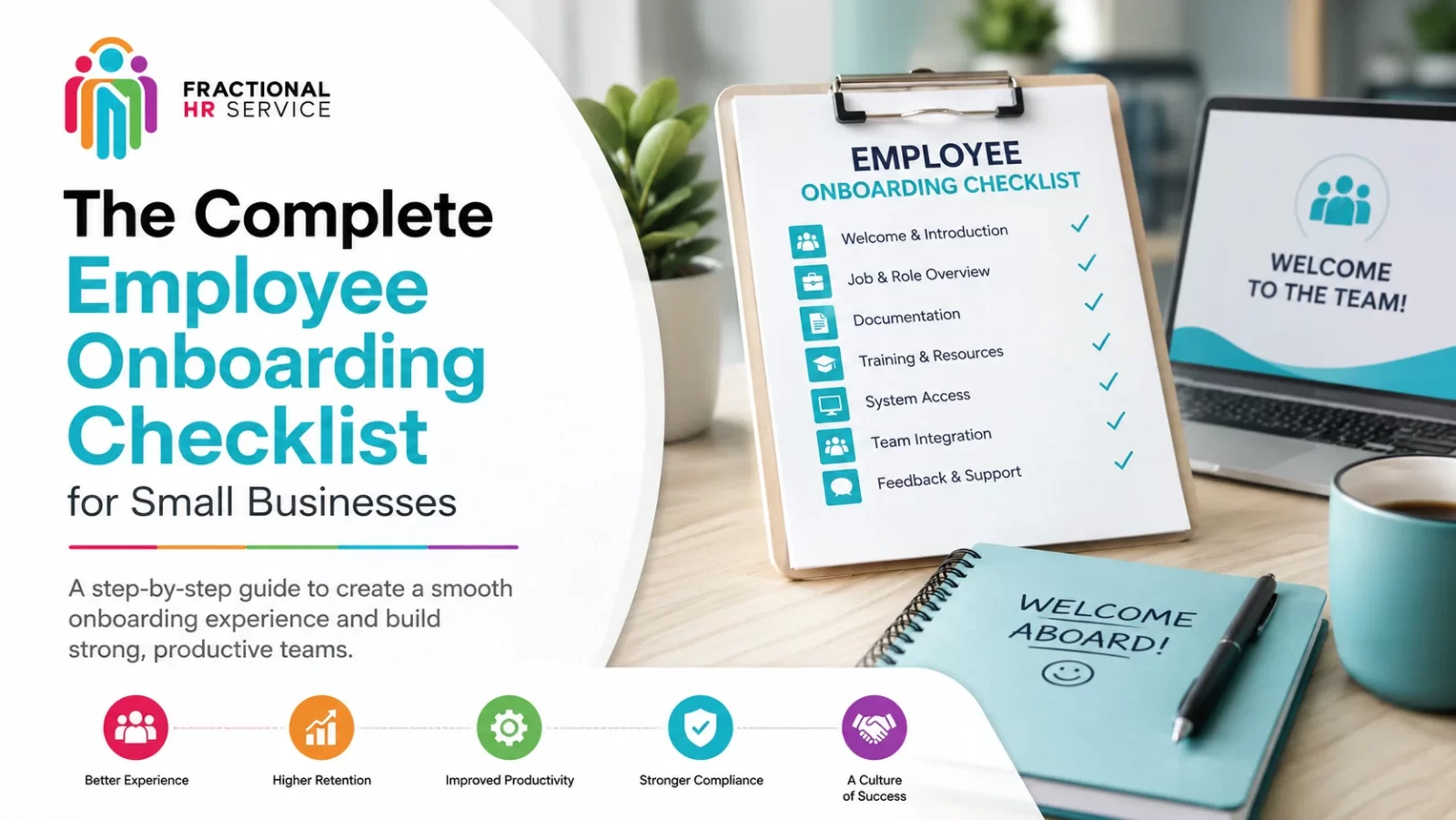
Following a clear checklist ensures nothing is overlooked and every new hire has a positive experience.
Employee Onboarding Checklist
| Stage | Tasks |
| Before the First Day | Send the offer letter, collect documents, prepare equipment, and create system accounts. |
| First Day | Welcome the employee, complete new hire orientation, introduce the team, and explain company policies. |
| First Week | Provide role-specific training, assign responsibilities, and schedule manager check-ins. |
| First Month | Review progress, answer questions, and gather employee feedback. |
| First 90 Days | Conduct a performance review, discuss goals, and create a development plan. |
Using a consistent employee onboarding checklist helps businesses improve productivity while creating a positive experience for every new hire.
What Should Be Included in New Hire Orientation?
New hire orientation introduces employees to the company and prepares them for their new role. It gives them the information they need to feel comfortable and confident from day one.
What Documents and Information Should New Employees Receive?
- Employment contract and HR documents
- Company handbook and workplace policies
- Health and safety procedures
- Payroll and benefits information
- IT systems and software access
- Team introductions
- Office tour or virtual workplace overview
A well-organised orientation helps employees understand how the business operates and what is expected of them.
What Are the HR Onboarding Best Practices for Small Businesses?
A checklist is important, but the employee experience matters just as much. Small improvements can make onboarding more engaging and effective.
How Can Businesses Improve the Onboarding Experience?
- Start onboarding before the employee’s first day.
- Keep communication clear and consistent.
- Assign a manager or mentor for support.
- Set realistic goals for the first 90 days.
- Schedule regular feedback sessions.
- Personalise the onboarding experience where possible.
These HR onboarding best practices help employees feel supported while building confidence in their new role.
What Are the Most Common Employee Onboarding Mistakes to Avoid?
Even with the best intentions, onboarding mistakes can affect employee engagement and productivity.
Common Mistakes Businesses Should Avoid
- Waiting until the first day to begin onboarding
- Focusing only on paperwork
- Providing little or no job training
- Failing to introduce the company culture
- Skipping regular follow-up meetings
- Not collecting feedback from new employees
By preventing these pitfalls, you’ll have a smoother onboarding process and get your employees more satisfied with their new job from day one.
Conclusion
A strategic new employee checklist can have a significant impact on the way that small businesses “welcome” their new employees and prepare them for success. The positive effects of pre-boarding, new hire orientation, training and feedback, and everything in between, have an impact on productivity and employee engagement.
You can use Fractional HR Service (FHRS) to help your business create a structured onboarding programme that will benefit both you and your employees (Source: FHRS).


No comments yet